612 Bardal Bay, Winnipeg, MB R2G 0J2

How Commercial Intruder Alarms Protect Winnipeg Businesses After Hours
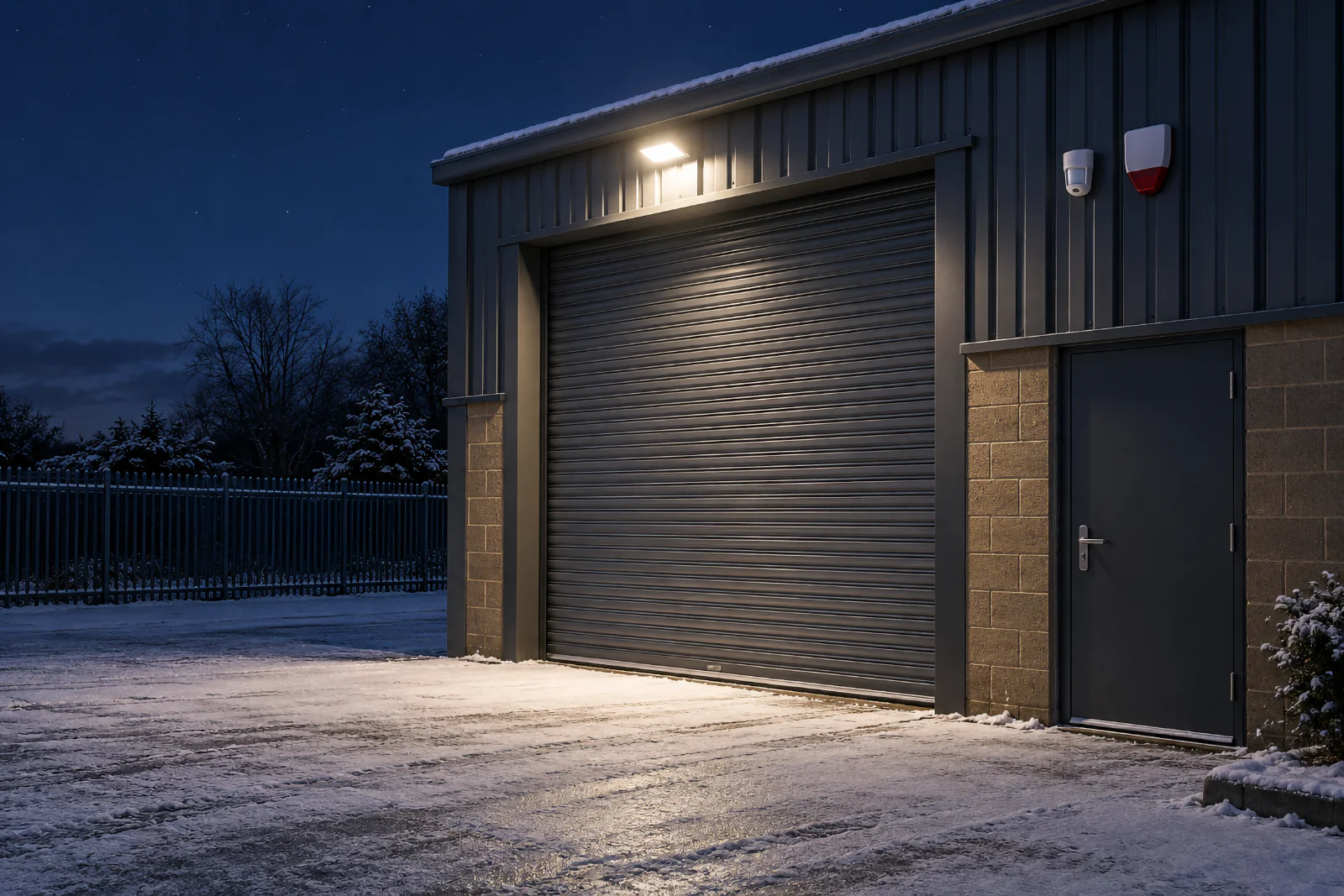
Most break-ins at small businesses don't happen while the doors are open. They happen at 2 a.m. on a Tuesday, or over a long weekend when nobody's expected back until Monday. That's the stretch intruder alarms are really for. Add up the nights and weekends and a shop, office or workshop sits empty for most of its week, with not much more than a lock protecting the stock and the till. An alarm won't make a building impossible to get into, but it does mean you hear about a problem in minutes rather than when you turn up to open.
For most owners we talk to, the business never fully switches off anyway. You check the day's sales on the bus home and maybe open the alarm app one last time before bed, somewhere between catching up on messages and a few hands at spinanzia casino on the couch. Since the phone is already where so much of the evening happens, it makes sense for the alarm to live there too, quiet when nothing's wrong and impossible to miss when something is.
The Quiet Hours When a Business Is Most Exposed
A house is hardly ever empty for more than a working day. Plenty of them are locked up from six in the evening until eight the next morning, then again from Saturday afternoon to Monday, and a good number back onto lanes or loading areas where nobody walks past after dark. Put those together and a back-lane unit is, frankly, an easier job for a thief than most of the houses around it.
That's the situation a commercial intruder alarm is built for. There's more floor to cover than in a house and more doors to watch: front, back, a fire exit, maybe a roller shutter on the loading side. Plenty of owners add monitoring too, so if a sensor trips at 3 a.m. while your phone's on silent, someone at the monitoring centre still picks it up.
Then there's winter. In Winnipeg it can be dark before five in December, so a shop looks closed long before it actually is, and plowed snow tends to pile up against side doors and block the view from the street. Ask about batteries, too. They lose charge noticeably faster at minus thirty, and a siren or door contact that isn't rated for a Manitoba January will be giving you trouble by February.
Wired Versus Wireless Intruder Alarms in a Commercial Unit
The first question on any survey is how the system will connect. Honestly, it depends on the building. In new construction with the walls still open, running cable is easy and wired is hard to beat. A ten-year-old strip mall unit with finished drywall, and a landlord who doesn't want holes everywhere, is another matter. Wireless intruder alarms had a bad name for dropping signal a few years back, but newer panels and sensors are a lot more dependable.
| System | Best fit | Main strength | Points to weigh |
|---|---|---|---|
| Wired | New builds and major refits | Very stable connection | Cabling disrupts finished spaces |
| Wireless | Leased and finished units | Quick, tidy installation | Batteries need regular checks |
| Hybrid | Larger or mixed premises | Uses both where each fits | A little more to manage |
| Monitored | Higher-value stock | Someone responds at any hour | Ongoing monthly fee |
If you rent, wireless is usually the easier sell to your landlord. There's very little drilling, and when the lease is up the whole system can come with you to the next location.
Matching Intruder Alarms Security to the Type of Business
Good intruder alarms security for a café looks nothing like it does for a warehouse. The café owner worries about the back door and the cash drawer; the warehouse manager is thinking about a big open floor and pallets nobody watches overnight. Before we get into equipment, we usually ask two things: what in here is actually worth stealing, and when is the place really empty?
| Business type | Typical concern | Sensible focus |
|---|---|---|
| Retail shop | Stock and front glazing | Door contacts and glass-break sensors |
| Office | Laptops and data | Motion sensors and entry codes |
| Warehouse | Large open floor | Long-range detectors and perimeter cover |
| Restaurant | Back doors and cash | Rear entry sensors and monitoring |
Laying it out like this usually brings the quote down, because you're paying for sensors where the risk actually is instead of covering every room just in case.
Four sensors in the right spots will do more for you than twelve that went up because they came in the box.
Staff routines matter here too. If a baker comes in at five and the cleaner leaves at ten, the system should be set up with that in mind. Otherwise you'll get a call every time a regular shows up early, and after a few weeks of that, people stop taking the alerts seriously.
Planning an Intruder Alarms Installation Around Trading Hours
Hardly any business can afford to shut for a day while an alarm goes in, and a decent installer won't ask you to. Most intruder alarms installation work can be done early in the morning, after closing or on a quieter weekday. Here's what we'd suggest keeping in mind when you book.
-
Book the site survey on a slow day rather than your busiest one
-
Ask for drilling and fitting to happen outside opening hours
-
Point out every way in, including roof hatches and loading bays
-
Decide who the keyholders are and in what order they get called
-
Have each zone tested in front of you before the installer leaves
-
Make sure staff know how to arm, disarm and cancel a false alarm
Plan on a quick review about a month in. By then you'll know which zones go off for no good reason (a heater blowing across a motion sensor is a classic) and whether any corner of the building still feels uncovered.
Alerts Staff Codes and Running a Business From a Phone
Today's systems log almost everything, and that turns out to be useful for more than security. You can see who set the alarm last night, what time the rear door opened this morning, and whether the cleaner really left when they said they did.
The owner shouldn't be the only one who understands the alarm.
To keep that information helpful rather than a constant buzz in your pocket, a few simple habits go a long way.
-
Give every employee their own code instead of sharing one
-
Delete a person's code on their last day, not weeks later
-
Only send push alerts for activity outside business hours
-
Look over the battery and signal report once a month
-
Check the event log whenever something about a night seems off
Putting in intruder alarms isn't about assuming the worst. It's about being able to lock up, go home and stop thinking about the shop until morning. Choose wired or wireless based on the building you're in, put sensors where your real risks are, and get the installation scheduled so it doesn't cost you a day of trading. Get those right and the alarm mostly fades into the background.
Book a Free Site Survey